
Dubai isn’t just about glass towers and luxury malls. Sure, the Burj Khalifa steals the spotlight, and the Palm Jumeirah looks like something out of a sci-fi movie. But if you’ve only seen Dubai through the lens of its architecture, you’ve missed the pulse of the place. The city hums with stories you won’t find in travel brochures-street food stalls that stay open till 3 a.m., desert camps where Bedouin elders tell tales under starlight, and hidden courtyards in Old Dubai where oud music drifts through the night air. This isn’t a city that sleeps. It breathes, adapts, and surprises you when you least expect it.
Some people come looking for more than sightseeing. If you’re curious about companionship in Dubai, you might stumble across terms like thai escort dubai. It’s a niche part of the city’s social landscape, one that exists quietly alongside its more visible industries. But even those seeking personal connections here often end up discovering something deeper: the way Dubai layers cultures, expectations, and freedoms in ways few other cities do.
The Real Dubai Isn’t on Instagram
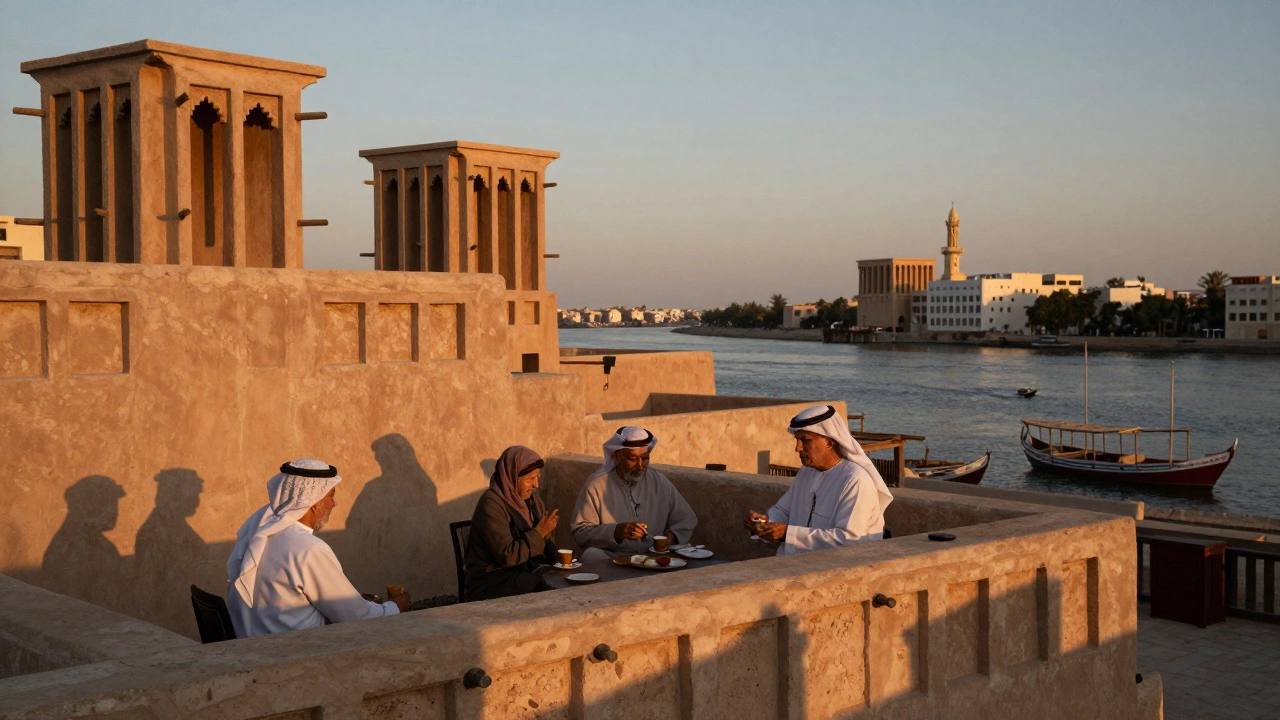
Walk through Al Fahidi Historical Neighbourhood and you’ll see wind-tower houses built over 150 years ago. No elevators. No neon signs. Just cool stone corridors and families sipping cardamom coffee on rooftop terraces. This is the Dubai that survived the oil boom-not by replacing tradition, but by holding onto it. Locals here don’t talk about the city’s height. They talk about its heartbeat. The way the call to prayer echoes over the creek at sunset. The smell of saffron and dried limes from the spice souk. The old dhow boats still docking at Deira, carrying cargo and stories from across the Gulf.
Meanwhile, just ten minutes away, you’ll find rooftop lounges with DJs spinning house music and cocktail bars where the ice is imported from Switzerland. Dubai doesn’t reject its past. It folds it into the present like a well-worn scarf. You can sip a $25 martini on a 70th-floor terrace, then hop in a taxi and be sipping chai with a fisherman’s family by the water before midnight.
It’s Not Just About Money
People assume Dubai is all about spending. But the real story is about survival, adaptation, and reinvention. Take the Emirati women you’ll see in designer abayas driving Teslas or running tech startups. Or the Filipino nurses who work 12-hour shifts in hospitals and still find time to cook meals for their coworkers. Or the Indian shopkeepers who’ve been in the same Souk for three generations, now teaching their kids how to run online stores.
Dubai’s economy runs on more than tourism and real estate. It’s built on the labor of over 200 nationalities. You won’t see that in the glossy ads. But if you take the bus from Dubai Marina to Jebel Ali, you’ll see it. The city doesn’t just welcome diversity-it depends on it. And that’s what makes it feel alive, even when the heat hits 45°C in July.

What You Won’t Find in the Brochures
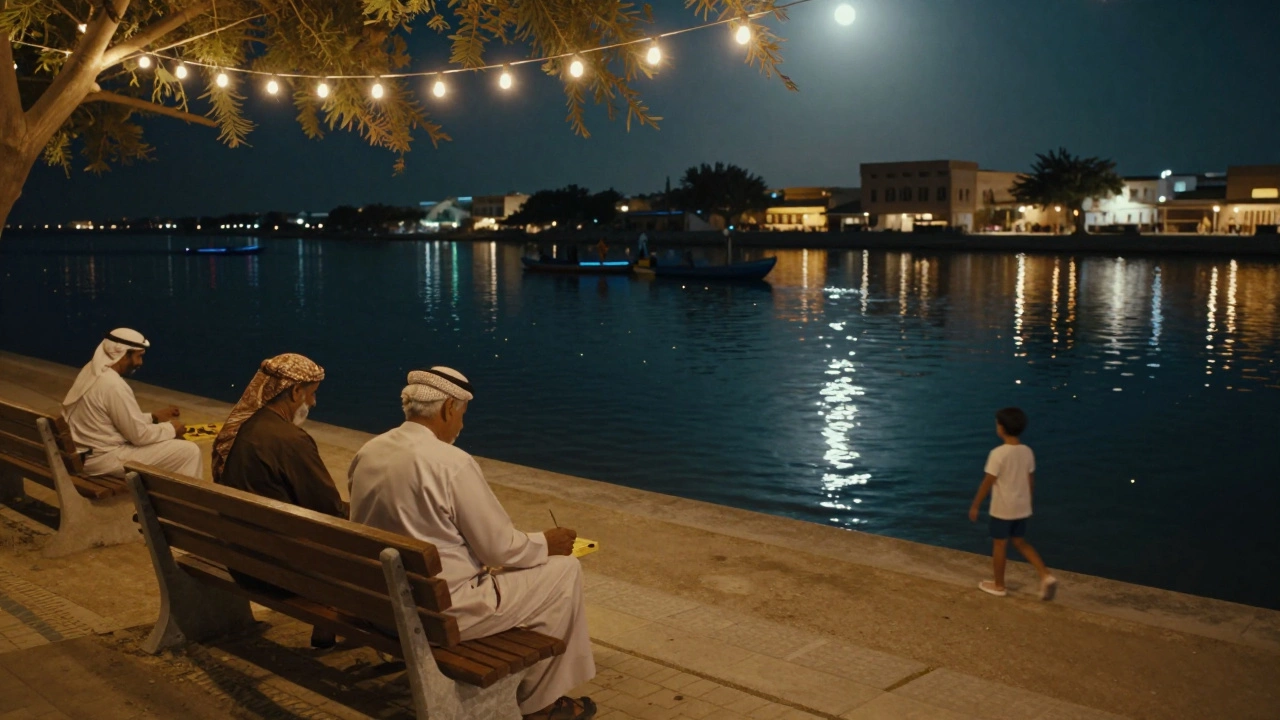
Try finding a quiet park in Dubai where locals just sit. They’re there, but you have to know where to look. Al Marmoom Desert Conservation Reserve has hidden oases where families picnic under acacia trees. The Dubai Miracle Garden closes at dusk, but if you walk along the creek after dark, you’ll find couples talking quietly on benches, kids chasing fireflies, and elderly men playing backgammon under string lights.
And then there’s the food. Not the five-star restaurants, but the tiny shacks in Karama that serve shawarma wrapped in flatbread with a side of pickled turnips and a splash of hot sauce. One guy, Abu Khaled, has been making the same recipe since 1987. He doesn’t have a website. He doesn’t post on Instagram. But his line stretches every evening. That’s Dubai too.
The Quiet Side of Desire
Dubai has rules. Lots of them. Public displays of affection? Frowned upon. Alcohol? Only in licensed venues. But human needs don’t disappear because of laws. That’s where the more private layers of the city come in. Some visitors look for companionship beyond the usual tourist experience. You might hear terms like mature escort dubai whispered in hotel lobbies or mentioned in private forums. These aren’t headline stories. They’re quiet transactions, often discreet, sometimes complex, always part of a city that balances tradition with personal freedom in ways outsiders rarely understand.
Why Dubai Feels So Alien-and So Familiar
There’s a reason so many people say Dubai feels like a dream. It’s because it’s a place where contrasts aren’t just tolerated-they’re engineered. You can pray in a mosque with gold domes, then walk into a nightclub where the DJ is from Berlin and the bouncer speaks fluent Mandarin. You can eat Ethiopian injera in a basement restaurant, then take an elevator to a penthouse with a view of the ocean.
It’s not chaos. It’s curation. Every element is placed with intention. Even the sand in the desert parks is imported because the local dunes don’t hold shape well enough for tourism. But beneath all that planning, there’s something real: people trying to live, love, and make a life in a city that doesn’t belong to any one culture.
That’s why the word dubai hooker sometimes surfaces online. It’s a crude term, often used by outsiders who don’t get the context. But even that phrase, however reductive, points to a truth: Dubai draws people from every corner of the world, each with their own needs, dreams, and secrets. Some come to work. Others come to disappear. And some come just to feel something real in a place built on illusion.
What to Do If You Want to See the Real Dubai
Forget the helicopter tours. Skip the Burj Al Arab photo ops. Here’s how to find the soul of the city:
- Take the metro to Al Ghubaiba and walk to the Textile Souk. Talk to the shopkeepers. Ask them where they’re from. Most will tell you.
- Go to Al Seef at sunset. Sit by the water. Watch the traditional abras ferry people across. No one will take your picture.
- Visit a local mosque on a Friday afternoon (non-Muslims are welcome in many). Sit quietly. Listen. Don’t rush.
- Find a family-run café in Jumeirah that doesn’t have an English menu. Point at what looks good. Smile. They’ll remember you.
- Take a taxi to the outskirts. Ask the driver to show you where he grew up. He might say no. But if he says yes, you’ll see a side of Dubai no tour guide can show you.
Dubai doesn’t give away its secrets easily. But if you’re patient, quiet, and curious, it will show you something no skyscraper ever could.


Write a comment